
Last month, I attended my first True / False festival in Columbia, Missouri.
Despite having lived in Columbia since 2021, this was the first year I fully immersed myself in the fest. Sobriety has opened the door for a variety of new interests, and recently watching films has been a favorite. (Follow my Letterboxd btw)
I had the privilege of photographing events for the festival alongside a team of talented photographers. Saturday night of the fest, my assignment was to cover the world premiere, introduction and question and answer for WTO/99.
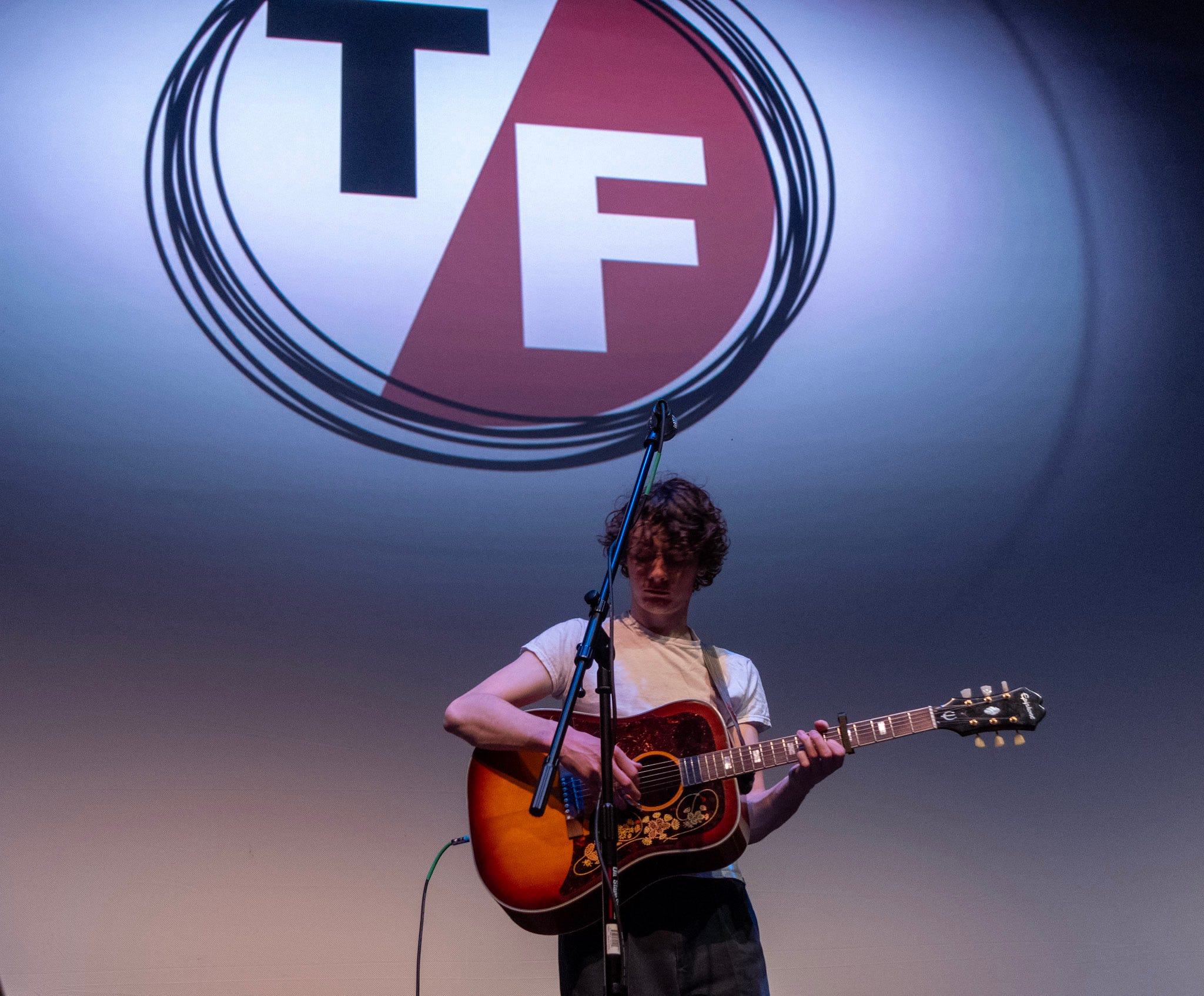
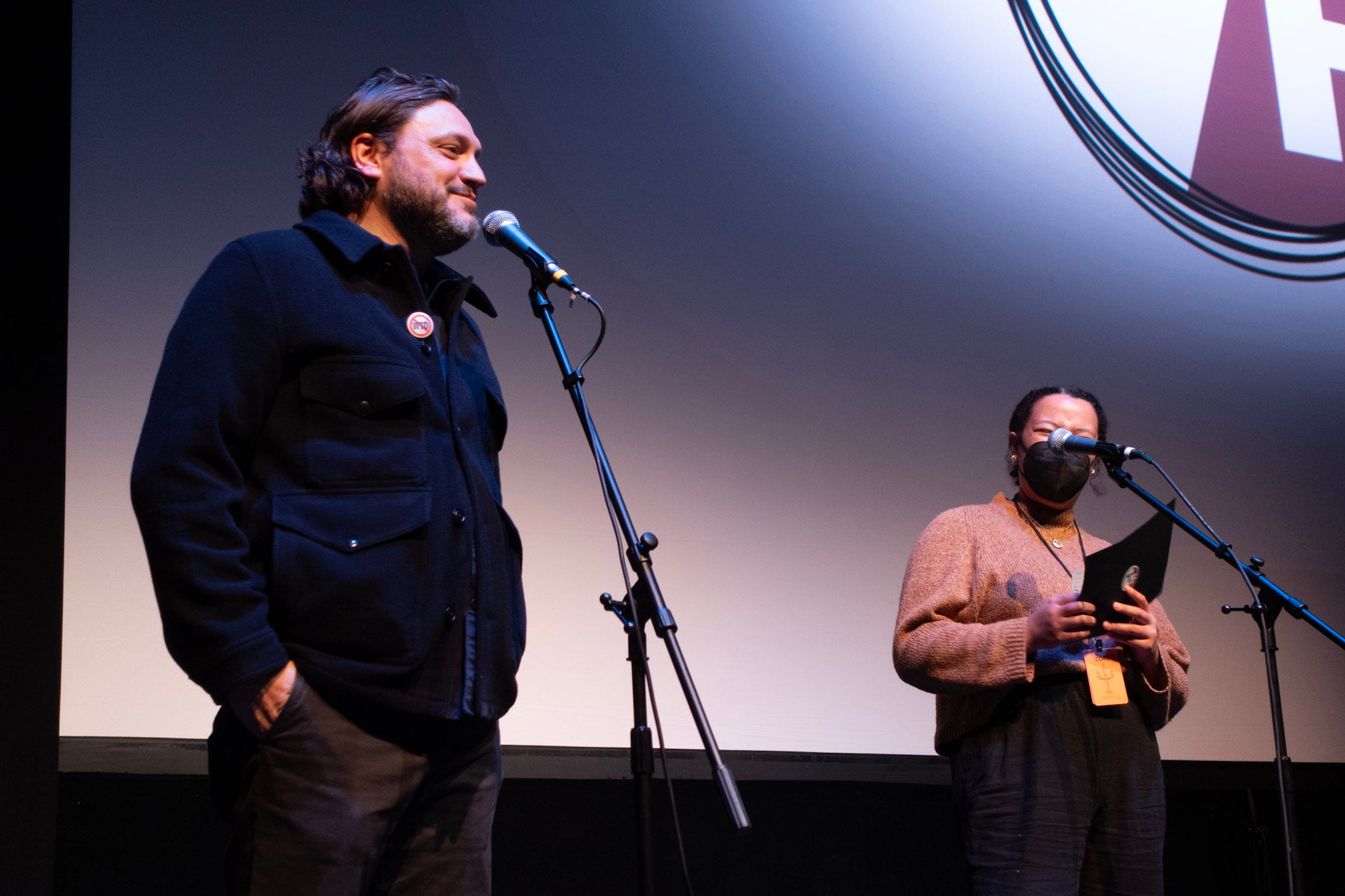
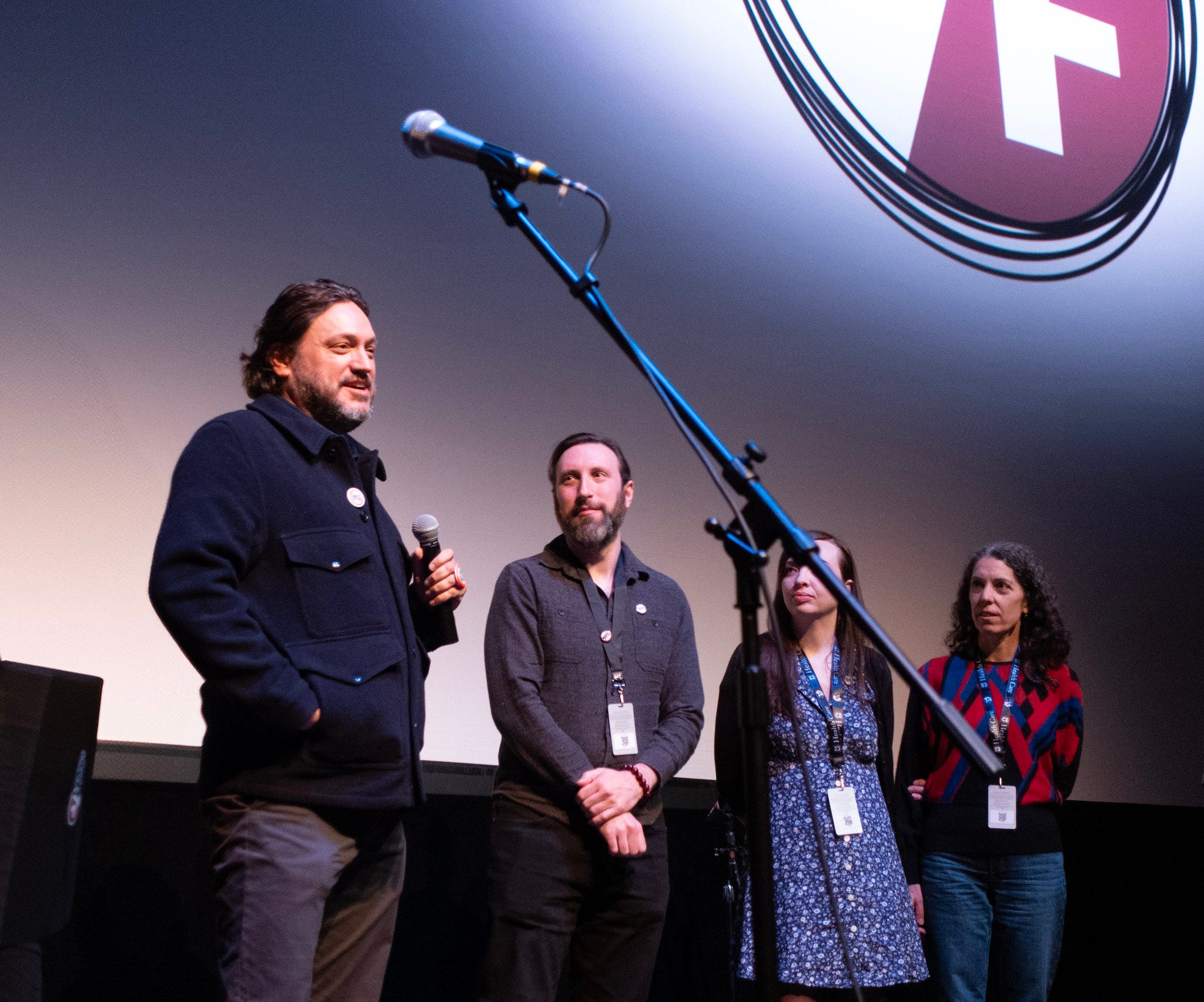
Ian Bell, the director of the film, came out to introduce the film after the musical performance by Kyren Penrose. I quickly shuffled to an open seat near the front of the theater. Luckily, volunteers are allowed to stay for films if we can find an empty spot. Head tilted back in the front row, I sat back to watch the film, unaware of what the next 102 minutes would have in store.
WTO/99 transports you to the 1999 World Trade Organization protests in Seattle. The film relies entirely on archival footage to take you there. No narration, no talking heads, and only a handful of title cards The film creates a raw and immersive experience, pulling the audience into the disorder and intensity of the demonstrations as if they were unfolding in real time.
The film captures the diverse nature of those who came to oppose the World Trade Organization. Though driven by different concerns—environmental destruction, labor exploitation, or threats to national sovereignty—environmentalists, organized labor, anarchists, and conservative factions found themselves on the same side. Despite arriving with different motivations, they stood united in rejecting corporate globalization.This rare and powerful display of solidarity is one of the film’s strongest takeaways, showing how movements can challenge power when united by a shared struggle.
One of the most striking themes in WTO/99 is the battle over public space. The protests began with people taking to the streets, marching, demonstrating, and reclaiming sidewalks and roadways as spaces for collective action. But as their actions became effective, physically blocking delegates with their bodies, delaying meetings, and disrupting the WTO’s agenda, the state responded with force. A state of emergency was declared, and the streets of Seattle were rapidly transformed into a militarized zone under strict curfew. Police deployed tear gas, fired rubber bullets, and carried out mass arrests, not to protect public safety but to suppress dissent and delegitimize the movement’s demands. WTO/99 is a clear reminder that the role of police is not to protect people but to protect capital.
Activists will see themselves in WTO/99, but this film isn’t just for them. In 2025, everyone should watch it as a reminder that collective action can challenge power, even across political divides. The fight didn’t end in 1999, and this film makes that clear.